
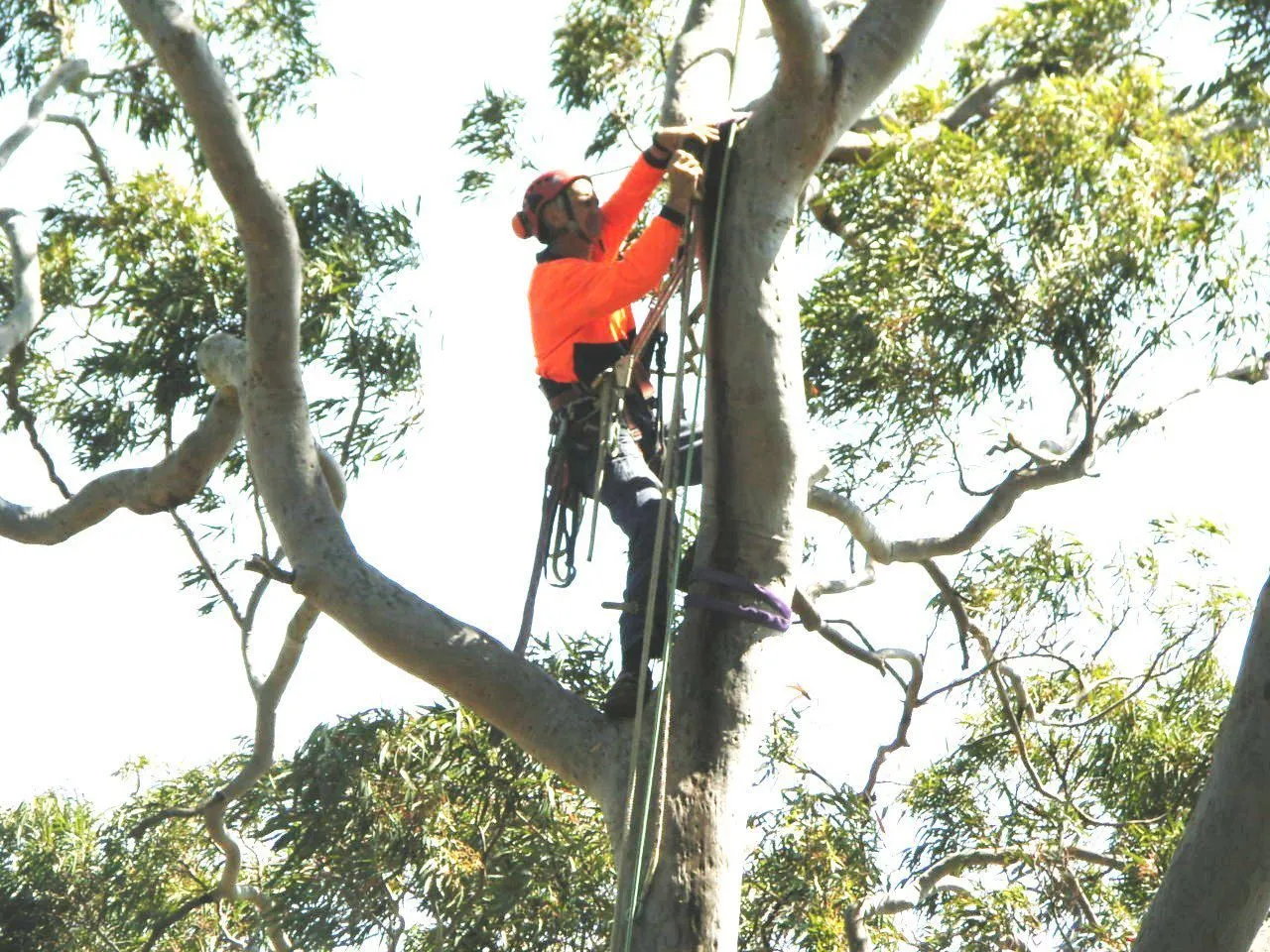
The report your council asked for, written by people councils listen to.
Two AQF Level 5 consulting arborists assess the tree, write the report your council or development application needs, and can do the approved work afterwards. We write what we find, and we tell you up front if your council wants the report and the work from different companies.
- AQF Level 5
- Since 2004
- AS 4970:2025 for development sites
- Councils across Sydney
- $10m professional indemnity
- 22+ yrsArborists since 2004
- AQF 5Two consulting arborists
- $20mPublic liability insurance
- RFSVolunteer Deputy Captain and trainer on the team
- TAFEChainsaw operations teacher on staff
- 5.0★Google rating (22 reviews)
Six times a council will ask for an arborist report
A large or significant tree
Council wants evidence before approving removal, or the tree is on a significant tree register.
Dead, dying or dangerous
You're claiming the tree is a risk. Councils want an arborist's assessment and photos, and some want it before the tree is touched.
A development site
A DA or complying development with trees on or next to the site: tree protection zones and measures under AS 4970:2025.
Development sites →Structural damage
Roots lifting a slab or cracking a wall. Council may also want an engineer's or plumber's report.
Appealing a refusal
A review of determination needs more than the original application had: an independent, evidence-based assessment.
A neighbour dispute
Reports are used in Land and Environment Court applications under the Trees (Disputes Between Neighbours) Act.
From inspection to approved work
Check whether you need one
Not every application does. Many councils ask for a report only for larger trees, dead or dangerous trees, development sites, or when they are unsure. Tell us the council and the tree and we'll say.
Site inspection
One of our consulting arborists inspects the tree: species, size, health, structure, defects, decay, root zone and what is around it. We photograph and measure everything.
The report
Written to the standard the council expects: condition, the risk it poses, the options (retain, prune or remove), our recommendation and, for development sites, tree protection zones under AS 4970.
Lodge it
You attach the report to your tree permit or development application. If the council has questions, we answer them.
Do the work
If the work is approved, we can do it, following any conditions on the approval. One company, from report to clean-up.
Honest when it isn't
If the tree is healthy and safe, we tell you before you spend money on an application. And where a council won't take the report and the work from one company, we say so and you choose which half we do.
What our report contains
- The tree: species, height, trunk diameter, canopy spread, age class and location, with photos.
- Its health and structure, including any defects, decay, cracks, root damage or lean.
- A risk assessment of what could fail, what it would hit and how likely that is.
- The options: retain, prune, or remove and replace.
- Our recommendation, and the reasoning behind it.
- For development sites: tree protection zones and measures under AS 4970:2025.
We're often asked to write a report for removal. We write what we find. If a tree can be kept with some pruning, we'll say so, and that saves you an application that was going to be refused.
Written by arborists who still climb
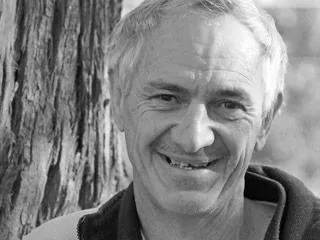
Wayne Back and Joshua Baber hold the Diploma-level qualification councils ask for, and they spend the rest of the week in the trees they write about.
- 22 years in business. Above All Tree Services has been a Sutherland Shire family business since 2004, now seven full-time staff plus casual crew, with cranes and elevated work platforms for the hardest jobs.
- Two AQF Level 5 consulting arborists. Wayne Back and Joshua Baber hold the Diploma-level qualification councils ask for when they want a "consulting arborist", and write arborist reports councils accept.
- Wayne teaches chainsaw operations at TAFE NSW part-time, and is a volunteer Deputy Captain and trainer with the NSW Rural Fire Service.
- Licensed for the dangerous bits: elevated work platforms over 11 m, Electrical Close Approach for work near service lines, and rail, ARTC and Sydney Airport inductions.
- $20 million public liability, $10 million professional indemnity and workers compensation. Ask any contractor for their certificate of currency; we'll hand you ours.
- A member of Arboriculture Australia, trusted by Bayside Council, strata managers and schools, and we call back almost as soon as your request comes in.
Questions people ask us
What does AQF Level 5 mean?
It's the Diploma level in the Australian Qualifications Framework (AHC50524 Diploma of Arboriculture), described as the qualification "for consulting arborists and tree managers". It covers tree assessment, risk and report writing, not just tree work, and it is the level most councils ask for when they want a "consulting arborist".
How much does an arborist report cost in Sydney?
We quote each report once we know the council, the tree and what the application needs; prices aren't published because a single backyard tree and a development site with twenty trees are very different jobs. Council application fees are separate and paid to the council: about $56 to $230 across Sydney councils, $213 in the Sutherland Shire.
Does a report guarantee the council will approve removal?
No. The council decides. A report gives the council an independent, evidence-based assessment its tree officer can check. If the tree is healthy and safe, we'll tell you that honestly before you spend money on an application.
Will every council accept your report?
Most will. A few councils won't take the report and the tree work from the same company: Woollahra and Lane Cove say so in their tree rules, Sutherland Shire does for TRAQ risk reports, and Willoughby, Mosman and Northern Beaches for some applications. There, our AQF Level 5 arborists can write the report with another contractor doing the removal, or an independent consultant writes it and we do the work; you choose. Which councils has the list.
Do you do reports for development applications?
Yes. For development sites our report covers tree protection zones, structural root zones and protection measures under AS 4970:2025, the standard that replaced the 2009 edition in May 2025. See development sites.
Can you write a report for a dispute with my neighbour?
Yes. Reports are often used in Land and Environment Court applications under the Trees (Disputes Between Neighbours) Act. Our main website has a guide to neighbour tree disputes in NSW.
What is TRAQ?
The International Society of Arboriculture's Tree Risk Assessment Qualification, a credential for assessing tree risk to a consistent method. Sutherland Shire's fee schedule has a separate, cheaper fee line for applications that include a TRAQ report from an independent consultant.
How soon can you inspect?
We call back almost as soon as a request comes in and can usually inspect within 24 to 48 hours. Ask about the report turnaround when you call; it depends on what the council or application needs.
Where do you cover?
Across Sydney: the Sutherland Shire, St George, the inner west and eastern suburbs, the north shore and northern beaches, the Hills and western Sydney.
Tell us the council and the tree.
We'll tell you whether you need a report, whether ours will be accepted, and what it will cost.